
Views: 0 Author: Site Editor Publish Time: 2026-02-27 Origin: Site
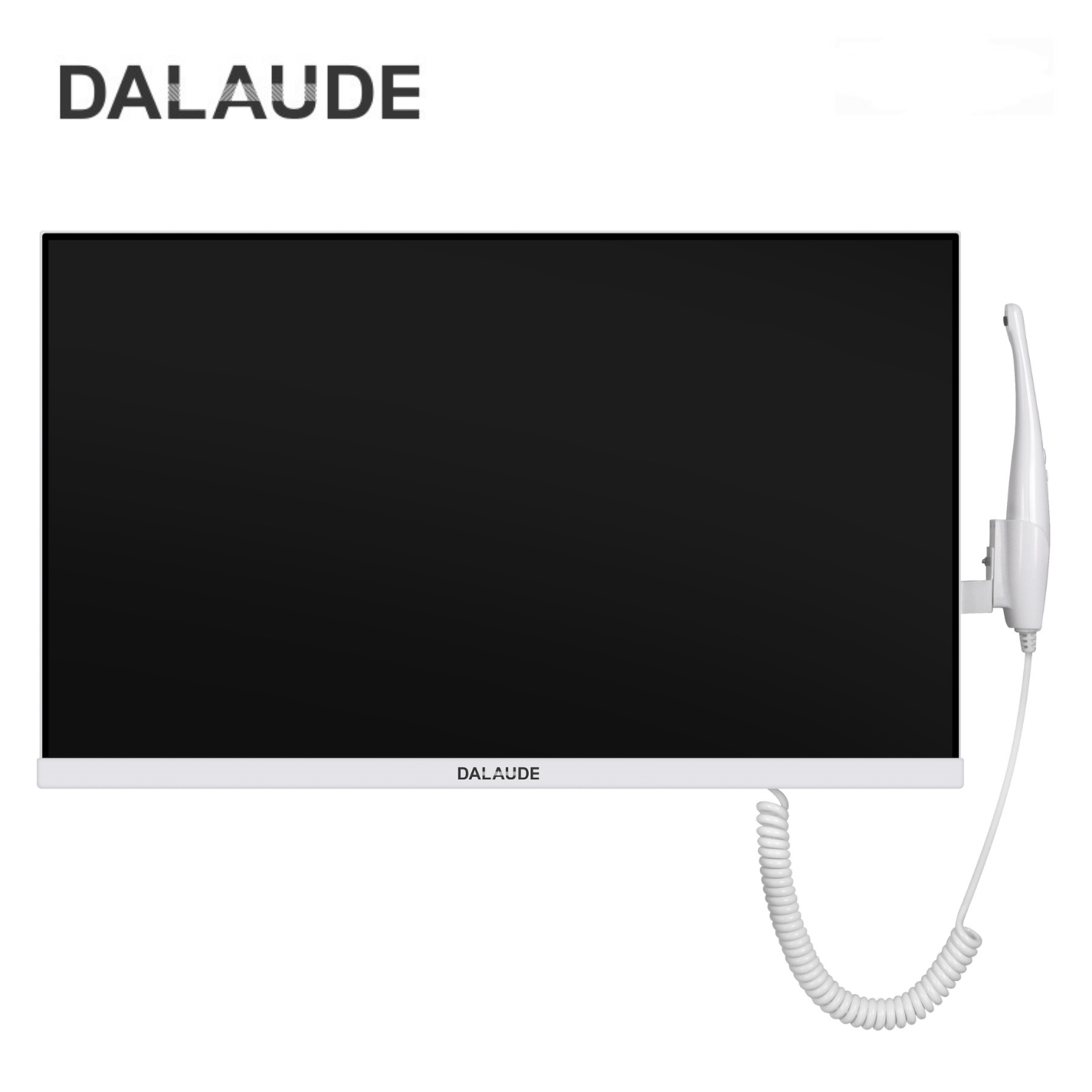
The landscape of modern dentistry has undergone a seismic shift over the last decade, moving from analog tactile examinations to a fully integrated digital workflow. As we navigate through 2026, the traditional dental mirror, while still a foundational tool, is no longer sufficient to meet the expectations of a tech-savvy patient base or the diagnostic demands of advanced clinical practice. The intraoral camera (IOC) has evolved from a luxury peripheral into a central pillar of patient communication, diagnostic precision, and practice growth.
For dental professionals and clinic owners, selecting the right intraoral camera in 2026 is a decision that impacts everything from clinical outcomes to the bottom line. This guide provides an exhaustive analysis of the factors you must consider to ensure your investment serves your practice for years to come.
In the early days of digital dentistry, intraoral cameras were often bulky, low-resolution devices that required complex wiring and proprietary software. Today, the "interior oral situation" can be captured in ultra-high definition, providing a level of detail that was previously impossible to achieve chair-side. The primary goal of using an intraoral camera is to bridge the communication gap between the clinician and the patient. When a patient can see a cracked molar or receding gum line magnified forty times on a high-definition monitor, the conversation shifts from "why do I need this treatment?" to "when can we start?"
The psychological impact of visual evidence cannot be overstated. Intraoral cameras allow the patient to see exactly what the dentist sees, fostering a sense of transparency and trust. In 2026, patients expect digital engagement. By using an intraoral camera as a modern alternative to the mirror, you provide a collaborative consulting environment where patients are active participants in their treatment planning. This clarity directly leads to higher case acceptance rates, as patients are more likely to consent to procedures when they clearly understand the problem.
Beyond communication, the intraoral camera is a powerful diagnostic adjunct. High-definition optics allow for the identification of micro-fractures, early-stage caries, and marginal leakage around existing restorations that might be missed during a standard visual exam. In an era where minimally invasive dentistry is the gold standard, early detection enabled by superior visualization is key to preserving tooth structure and improving long-term patient outcomes.
As technology has matured, certain features have become non-negotiable for a professional-grade intraoral camera. When evaluating different models, you must look beyond the marketing jargon and focus on the technical specifications that impact daily use.
While 720p was once the industry standard, 2026 marks the era where 1080p Full HD and even 4K resolution are becoming the benchmarks for top-tier practices. Higher resolution is not just about a "prettier" picture; it is about the ability to zoom into an image without losing clarity. The lens quality is equally important. Look for cameras that utilize high-quality glass optics rather than plastic lenses, as glass provides better light transmission and resistance to the harsh chemicals used in sterilization.
Efficiency in a busy dental clinic is paramount. Fixed-focus cameras require the clinician to move the camera wand physically to find the "sweet spot," which can be cumbersome and time-consuming. Modern autofocus systems utilize liquid lens technology or advanced actuators to snap into focus instantly, whether you are taking a full-face shot, an arch view, or a macro-view of a single distal pit. An effective autofocus system ensures that every capture is crisp, reducing the need for retakes.
A dental professional may use an intraoral camera dozens of times a day. Therefore, the physical design of the wand is a critical consideration. The device should be lightweight and balanced to prevent wrist strain. The placement of the capture button is also vital; it should be easily accessible regardless of the angle at which the camera is being held. Sleek, thin-head designs are preferable as they allow for easier access to the posterior regions of the mouth, particularly in patients with limited opening.
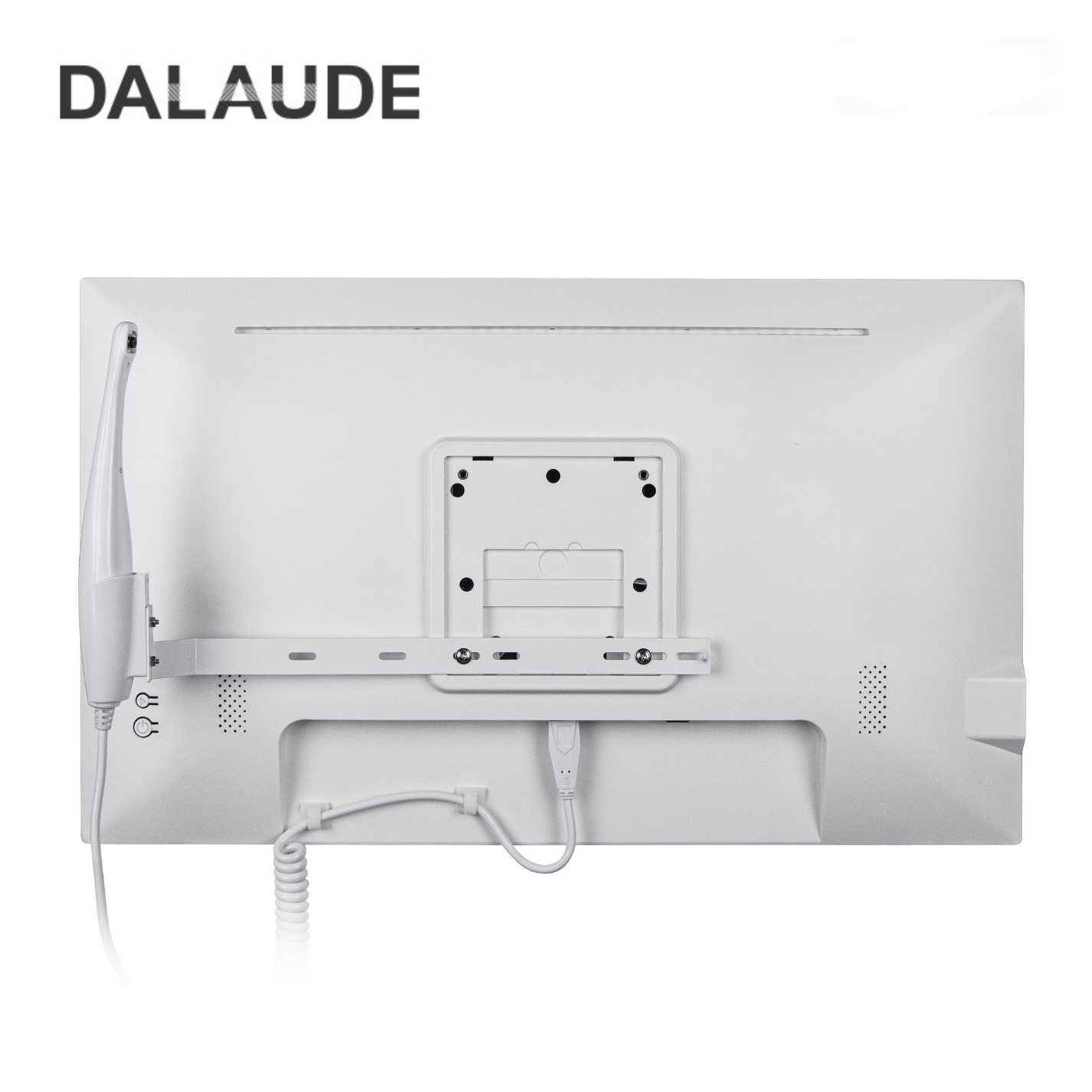
The most significant advancement in 2026 is the integration of Artificial Intelligence directly into the imaging software. AI is no longer a futuristic concept; it is a practical tool that enhances the value of every image captured.
Modern intraoral camera software can now analyze images in real-time to highlight areas of concern. AI algorithms trained on millions of clinical images can identify plaque accumulation, gingival inflammation, and suspicious lesions. This serves as a "second pair of eyes" for the dentist, ensuring that no detail is overlooked during a busy day. These AI overlays can be shown to the patient, adding an objective, data-driven layer to the diagnosis.
Integration with AI also streamlines the administrative side of dentistry. Some systems can now automatically tag images with the correct tooth number and surface, saving the dental assistant valuable time during the documentation process. This automation ensures that patient files are accurate and comprehensive, which is essential for insurance claims and legal protection.
An intraoral camera is only as good as its ability to integrate with the rest of your digital ecosystem. In 2026, the choice between wired and wireless connectivity involves balancing reliability with mobility.
USB-connected cameras remain the gold standard for reliability and "plug-and-play" simplicity. They offer high-speed data transfer without the risk of interference or battery failure. However, wireless cameras have made significant strides. Using advanced Wi-Fi 6 or 7 protocols, modern wireless intraoral cameras offer lag-free HD streaming. This is particularly useful in multi-operatory clinics where a single camera might be shared between rooms, or in high-end aesthetic clinics where a clutter-free environment is desired.
Ensure that the camera you choose is TWAIN compliant, meaning it can interface directly with almost any imaging software or practice management system (PMS). Being locked into a proprietary software ecosystem can be a significant disadvantage if you decide to upgrade your office software in the future. A flexible camera that works seamlessly with your existing digital patient records is essential for a smooth workflow.
Understanding the internal components of the camera will help you make a more informed choice. Two of the most important technical aspects are the image sensor and the illumination system.
The Complementary Metal-Oxide-Semiconductor (CMOS) sensor is the heart of the camera. In 2026, back-illuminated CMOS sensors provide excellent performance even in the relatively dark environment of the oral cavity. Color accuracy is critical, especially for cosmetic dentistry and shade matching. You want a camera that reproduces gingival tones and tooth shades accurately, without the "yellowish" or "bluish" tints common in cheaper models.
Uniform lighting is necessary to prevent shadows that can obscure clinical details. Look for cameras that utilize an array of multiple LEDs surrounding the lens. Some advanced models in 2026 also offer different lighting modes, such as polarized light to reduce glare from wet tooth surfaces or fluorescent light to aid in the detection of caries and bacterial activity.
In a clinical environment, infection control is the top priority. The intraoral camera must be designed with hygiene in mind.
Most intraoral cameras are not designed to be autoclaved. Therefore, the use of high-quality, form-fitting disposable sheaths is mandatory. The camera head should be shaped to allow for easy application and removal of these sheaths without compromising the clarity of the image. Some manufacturers have developed ultra-thin sheaths that minimize optical distortion, ensuring that hygiene doesn't come at the cost of image quality.
Medical equipment is a significant investment, and the durability of the device is paramount. Look for cameras with robust builds that can withstand the rigors of daily clinical use. Equally important is the manufacturer's commitment to after-sales service. In 2026, comprehensive support including remote technical assistance, staff training, and rapid replacement programs is a hallmark of a professional-grade brand like DALAUDE.
When evaluating the cost of an intraoral camera, it is helpful to shift the perspective from "expense" to "investment."
The ROI of an intraoral camera can be measured in several ways. The most immediate is the increase in case acceptance. Even a modest 10% to 15% increase in the acceptance of restorative or elective procedures can pay for the cost of the camera within a few months. Additionally, the time saved in patient education and the reduced risk of insurance claim rejections contribute to the overall financial health of the practice.
Not every clinic needs the most expensive 4K AI-integrated system.
Entry-Level: Suitable for basic patient education and quick visual checks.
Professional-Grade: The sweet spot for most general practices, offering HD resolution, reliable autofocus, and strong software integration.
Enterprise/Specialist: High-end systems with integrated 3D capabilities or specialized diagnostic lighting, ideal for large multi-doctor clinics or cosmetic specialists.
As we look toward the future, the intraoral camera will likely continue to merge with other technologies. We are already seeing the beginning of "multi-modal" devices that can capture 2D HD images, 3D surface scans, and fluorescence data simultaneously. The integration with augmented reality (AR) headsets may soon allow dentists to see a digital overlay of the patient's interior oral situation in real-time while they work.
The rise of tele-dentistry has also increased the importance of high-quality intraoral imaging. Being able to share HD images and videos securely through the cloud allows for instant consultations with specialists, regardless of their physical location. This connectivity ensures that patients receive the best possible care through a collaborative approach.
In 2026, sustainability is also becoming a factor in purchasing decisions. Forward-thinking manufacturers are focusing on using recyclable materials in their hardware and reducing the environmental footprint of disposable accessories. Choosing a brand that aligns with these values can enhance your practice's reputation among environmentally conscious patients.
Choosing the right intraoral camera in 2026 requires a balance of technical knowledge, clinical needs, and financial foresight. It is no longer just about taking a picture; it is about choosing a tool that enhances every aspect of the patient journey—from the initial consultation to the final restoration.
When making your final decision, prioritize a camera that offers high-definition clarity, seamless integration with your existing workflow, and the diagnostic power of AI. Brands like DALAUDE, which focus on research and development and professional-grade support, provide the reliability needed in a modern clinical setting. By investing in the right technology today, you are not just buying a camera; you are investing in the future of your practice, the satisfaction of your patients, and the excellence of your clinical care.
Before purchasing, always request a demo or a trial period to ensure the ergonomics and software interface fit your personal style. The right camera should feel like a natural extension of your hand and a vital part of your clinical voice. With the right choice, the "interior oral situation" will never be a mystery to your patients again, paving the way for a more transparent, efficient, and successful dental practice.


